AnyLAI blog

August 2, 2026
Article 50 of the AI Act takes effect: what changes today for exporters and technology builders
On 2 August 2026, the EU AI Act's chatbot disclosure, AI-content marking, and deepfake labeling duties became enforceable with fining power attached. A separate set of amendments deferring the Act's high-risk rules has since been adopted as Regulation (EU) 2026/1744. It defers none of these duties, but it does touch Article 50: it gives generative systems already on the market until 2 December 2026 for the marking duty, and it rewrites paragraph 7.
August 9, 2026
Six digital product passport standards reached the Official Journal. The authenticity standard did not.
On 15 July 2026, the European Commission cited six harmonised standards for the EU digital product passport in the Official Journal, giving them presumption of conformity under the ecodesign regulation. The standard covering data authenticity, reliability, and integrity is not one of them.
August 12, 2026
The PPWR applies from 12 August 2026: what changes today, and what does not
On 12 August 2026, Regulation (EU) 2025/40 on packaging and packaging waste, the PPWR, became applicable across the European Union. A precise, article-by-article map of what took effect today and what only arrives between 2027 and 2040.
August 19, 2026
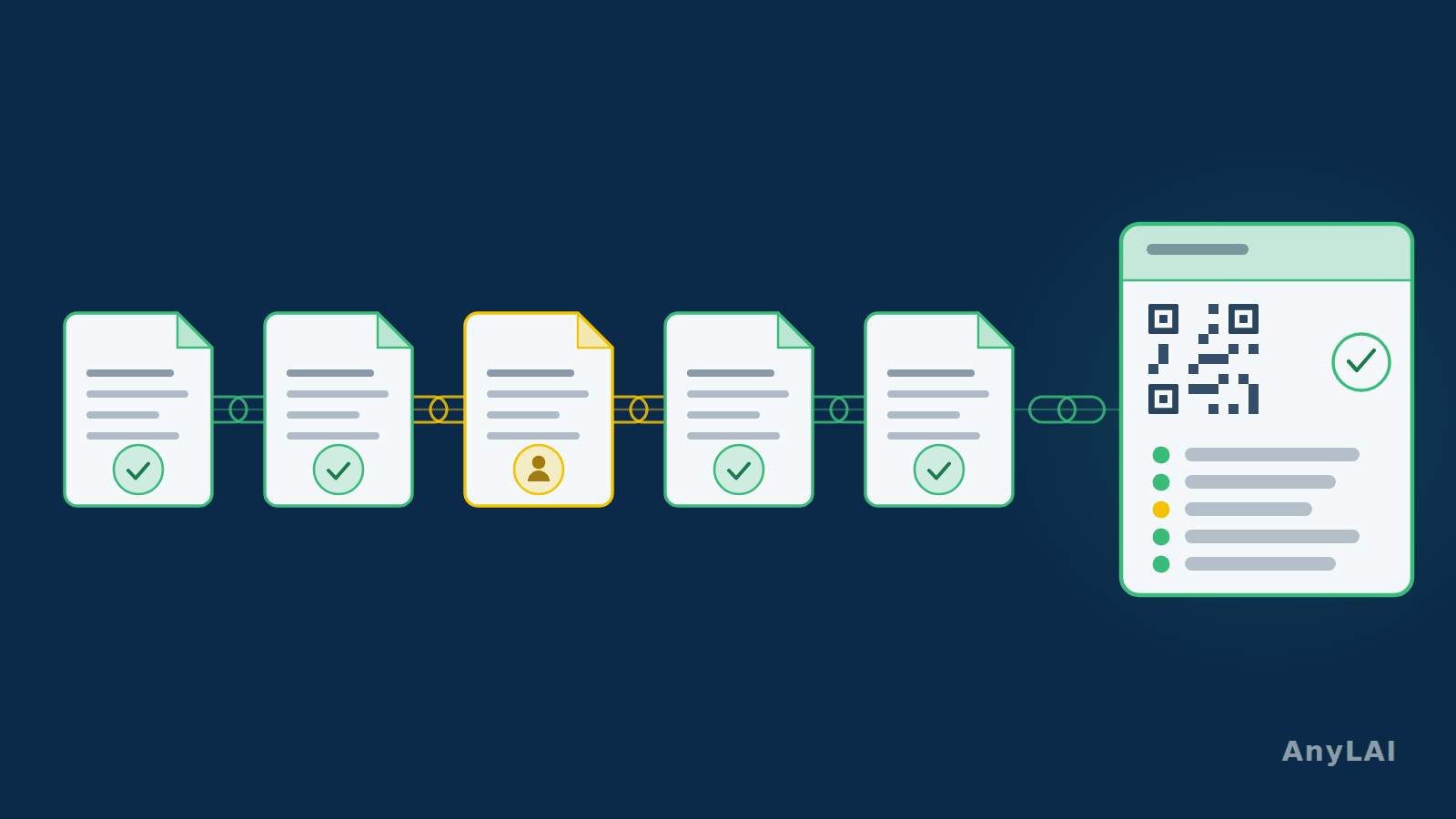
Required data is not proven data
European product law is turning the passport into a history of the supply chain. The hard part is making every line of it true.
August 22, 2026
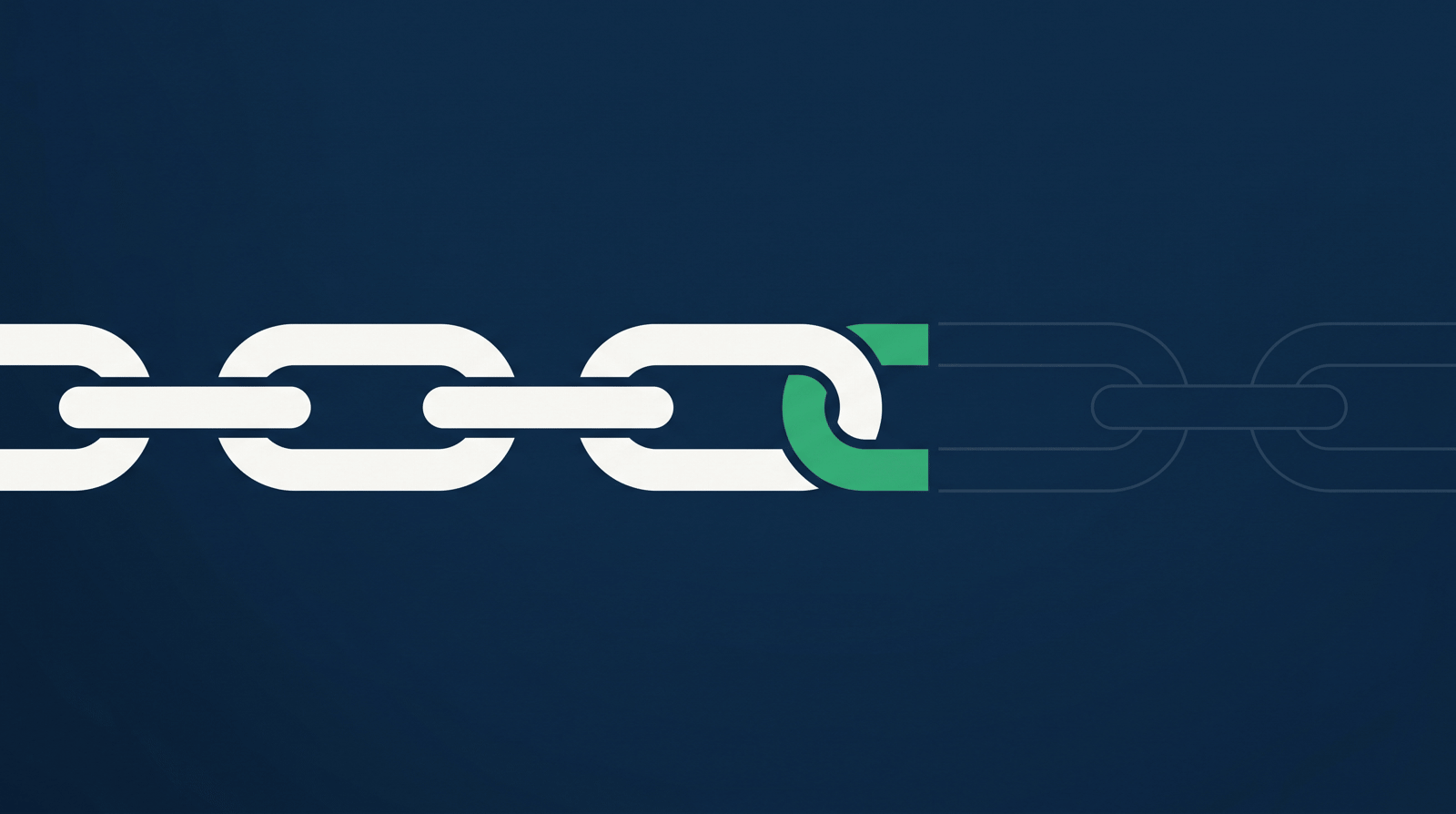
Custody is not who held it. Custody is who can prove it.
Chain of custody as practised today is a chain of declarations reconciled by periodic sampling. European rules are starting to ask questions that only a chain of evidence can answer.
August 29, 2026
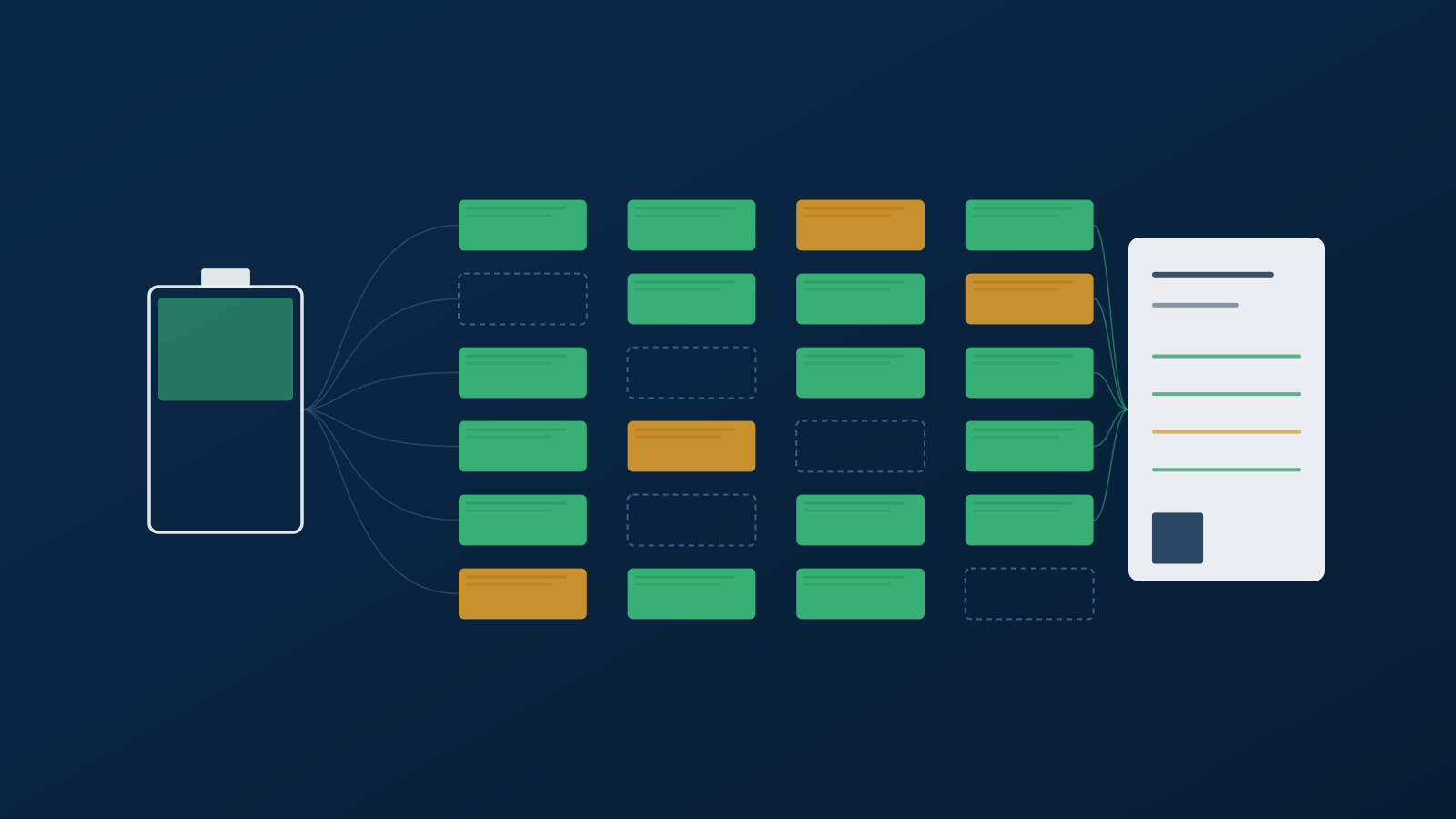
Battery Passport: what the Commission's 71 data points mean for 2027
The obligation is not new. What is new is that the Commission has set out, field by field, what the passport is expected to hold and which fields matter at the first stage.
September 10, 2026
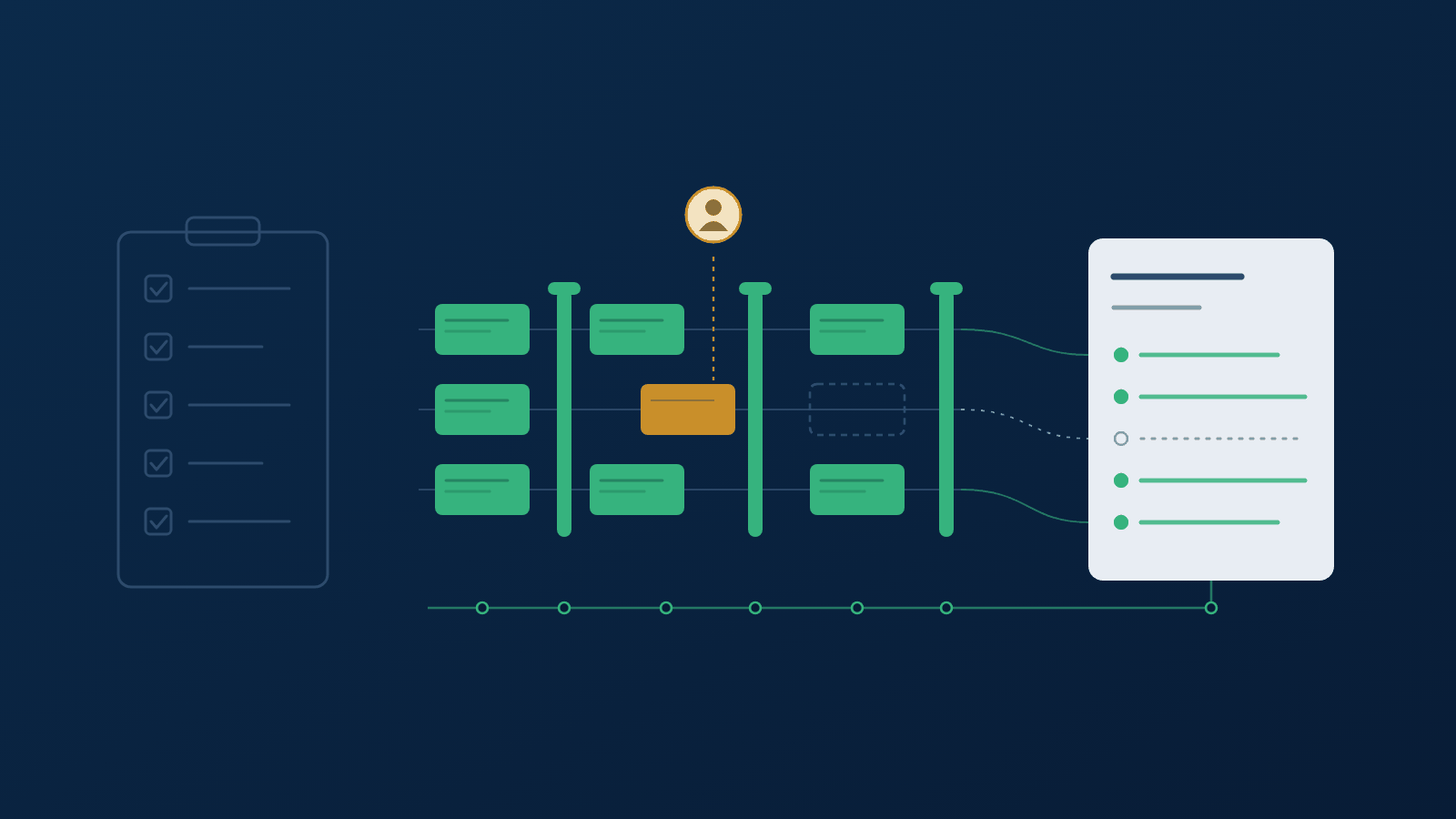
AI governance needs architecture, not another checklist
Policies and checklists describe how an AI system should behave. Whether it does is decided by its architecture: where uncertainty is represented, which boundaries it cannot cross, and what the system keeps as a record.
September 11, 2026
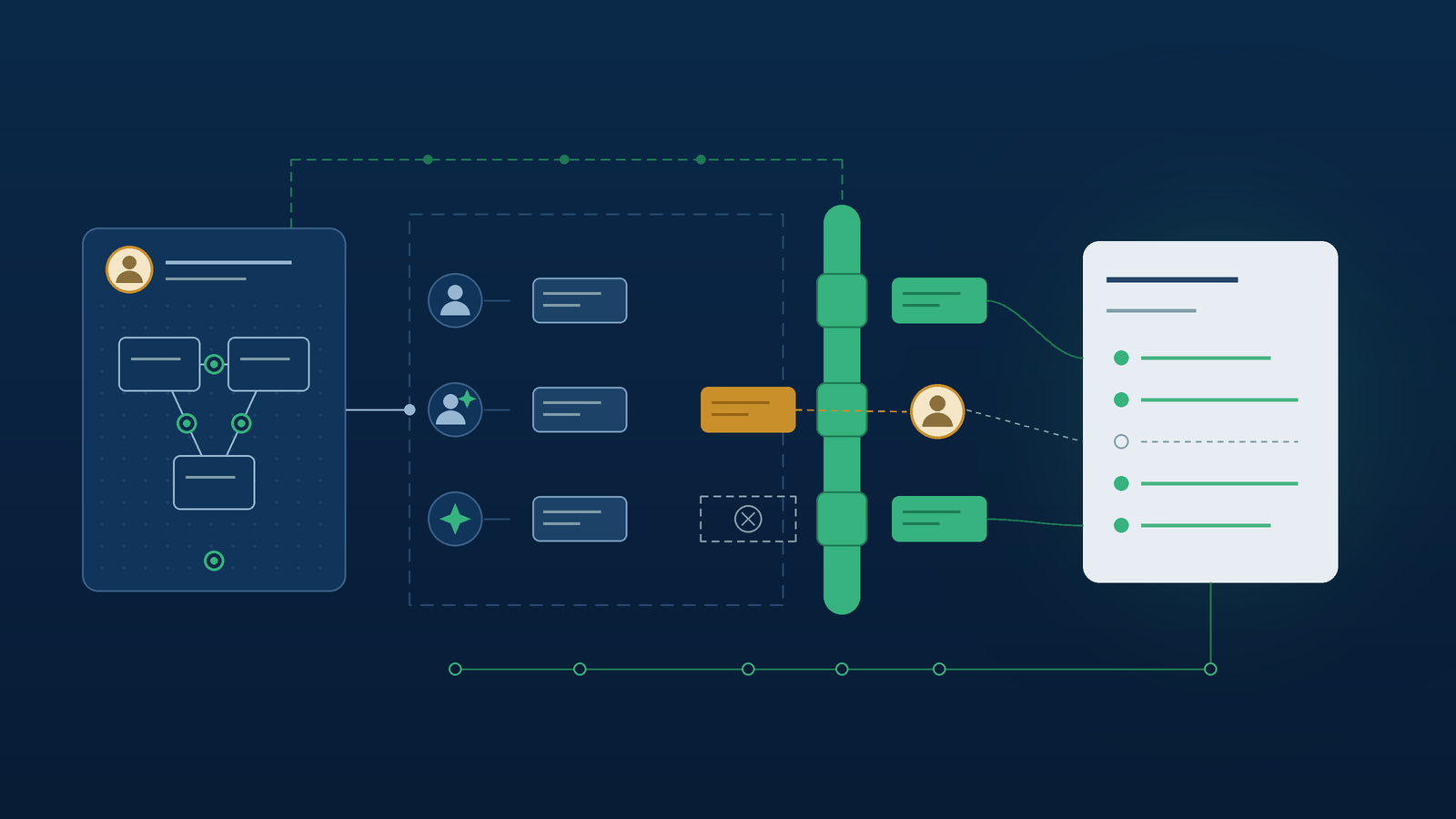
Less human coding, more human architecture
AI can increasingly produce parts of a software system's implementation. Producing more of it does not settle what the system must preserve. A research thesis about where engineering effort moves, the evidence behind it, and what it does not claim.


